
January 9, 2026
Jeet Kune Do: Simply Self-Defense for Everyone
by Dave Paramore
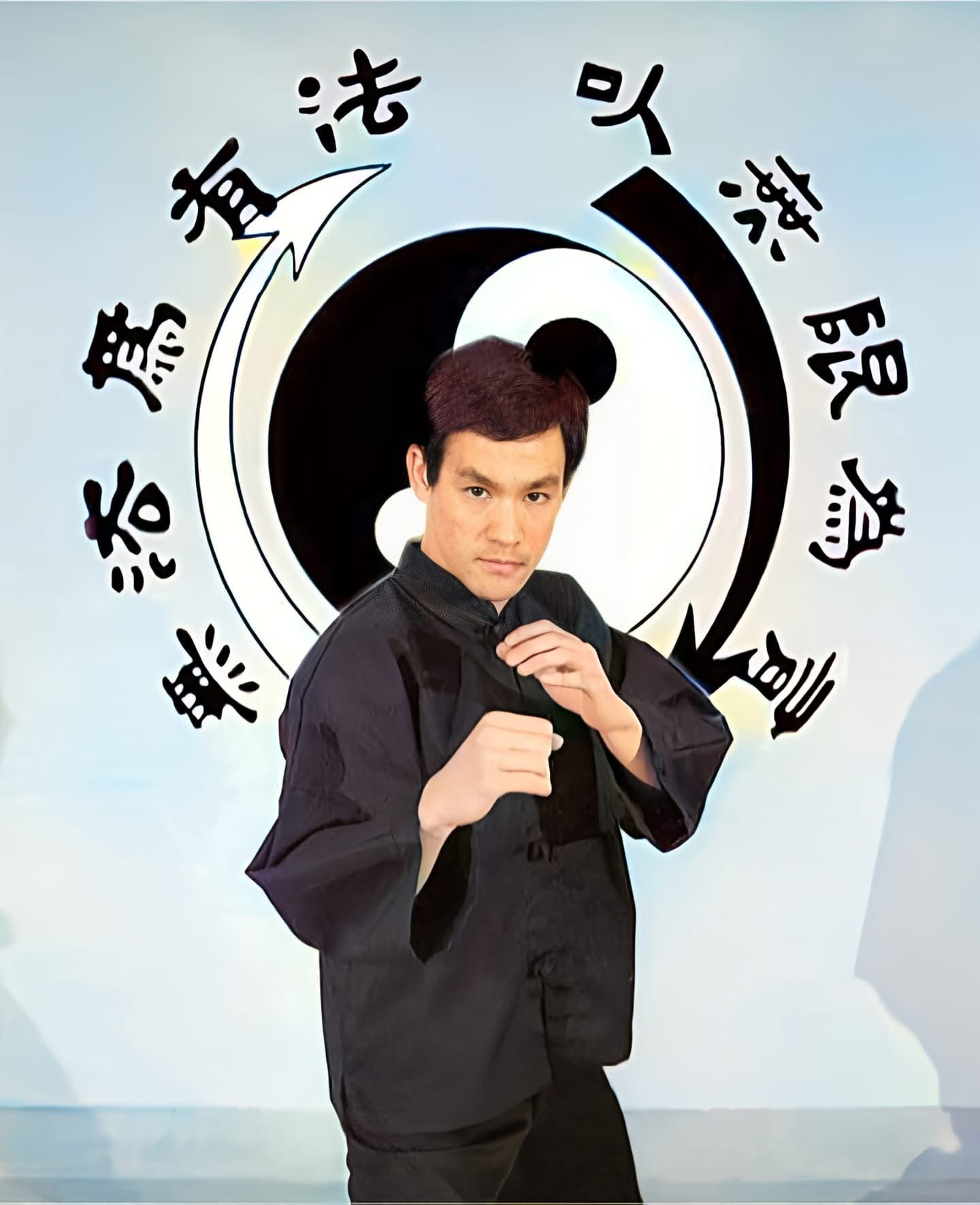
The main tenet that inspired Bruce Lee to develop his own style of martial art was to promote realism.
Everyone wants to be sure that, in some way, the training they start has real value. Everyone wants to be safe, and everyone wants a system that will work for them when it counts. What Jeet Kune Do did for me was create a mindset along with a skillset that would protect me in a real life situation.
In reality, “the streets” are different for everyone, even for people living in the same city. It could be the environment you live in or the environment you place yourself in. Realistically though, the fundamentals of fighting and self defense have stayed the same.
My exposure to martial arts came from my father. As many know and can attest, the world of martial arts ignited after the death of Bruce Lee, and my father was a recipient of that era. But training with greats such as Bill “Superfoot” Wallace or attending the Battle of Atlanta’s kickboxing in the 1970’s he still felt as if he was missing something from his training. He always relayed to me he wanted more of a street fighting, close quarters combat kind of training.
Background
My journey to JKD began by simply looking in a phone book. As advertised, I found a Jeet Kune Do school, Greenville Academy of Martial Arts right here in Greenville, under the instruction of Sifu Jason Korol. I’m sure this is an anomaly for anyone under the age of 40 who has no idea what a phone book is.
Looking back on my first class and until now, I am still shocked on how realistic and practical this training is. No starchy white Gi’s, no belt system, no separate instruction based on levels of knowledge. Advanced students training with beginner students side by side, attempting to perfect simple, yet explosive techniques.
I was not a natural athlete and I was certainly not coordinated enough for boxing, though a step above Napoleon Dynamite’s first self defense lesson. Jeet Kune Do was different, though. It cut through all of the traditional requirements of other systems and went right into actual training that I would need for an encounter on the street.
Bruce Lee said “The height of cultivation runs to simplicity. Half-way cultivation runs to ornamentation.”
Mr. Lee was about finding the most effortless, the most practical, and the most simple and core fundamentals of fighting. He didn’t like flashy techniques, though he was very flashy and very charismatic on film. He knew there was a huge difference between movies and real-world violence. Mr. Lee knew that every fight would be different. He knew it would be fluid, dynamic, and chaotic. The idea is that the science of JKD, the discipline of simplicity, can tame the chaos. So why wouldn’t anyone want something that their mind can retain and their body can respond to, all under immense pressure?
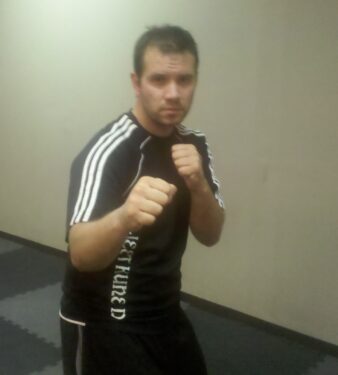
In my line of work I have either observed or been intimately involved in numerous physical altercations. There are no rules on the streets and there is no such thing as a fair fight. Jeet Kune Do instilled in me from the very beginning, the fighting measure – the fine art of managing distance and quickly reacting to the enemy’s attack. Rather than flashy, intricate sequences, JKD is about simplicity and efficiency. Minimal movement, effective evading, non-telegraphic, explosive counterattack. These are the elements I learned from Jason Korol. This type of training kept me calm under pressure because I know my training works. It is a discipline to stay collected, under fire. It requires the right mindset and tons of high quality reps but, yes, it can be done.
In an unprovoked and unfair confrontation, Jeet Kune Do can also teach you to end a confrontation quickly. It teaches you the discipline of detecting a strike before it lands (the fighting measure skill), and reacting before that strike reaches you. This art is about core principles that are timeless and made for anyone. That’s what attracted me to it.
A fast finger jab may be all one needs to thwart an aggressive opponent. A low, snappy side kick may be all one needs to damage an opponents stability and mobility. A straight lead may be all one needs to deliver significant strike to end a confrontation quickly and retreat to safety.
Conclusion
It’s not flashy, it’s simple…fundamental self-defense techniques. Like Sifu Jason says all the time: it’s simple, but not easy. The training at Greenville Academy of Martial Arts takes into consideration that under pressure, when seconds count and an enemy is trying to hurt you, it’s hard to do the simple things. That is why training is essential. The techniques in Jeet Kune Do are based on their effectiveness in real life combat situations.
A very wise instructor instilled this in me from my first day of JKD class. “You will never rise to the occasion, but rather sink to the level of your own discipline.”
Biography:
Dave Paramore has been in law enforcement since 2008. He has extensively studied Jeet Kune Do, Boxing, and Wing Chun between the years of 2006 to 2015 at Greenville Academy of Martial Arts. Dave chose Jeet Kune Do based on its simplicity and applicability to real life self-defense situations.